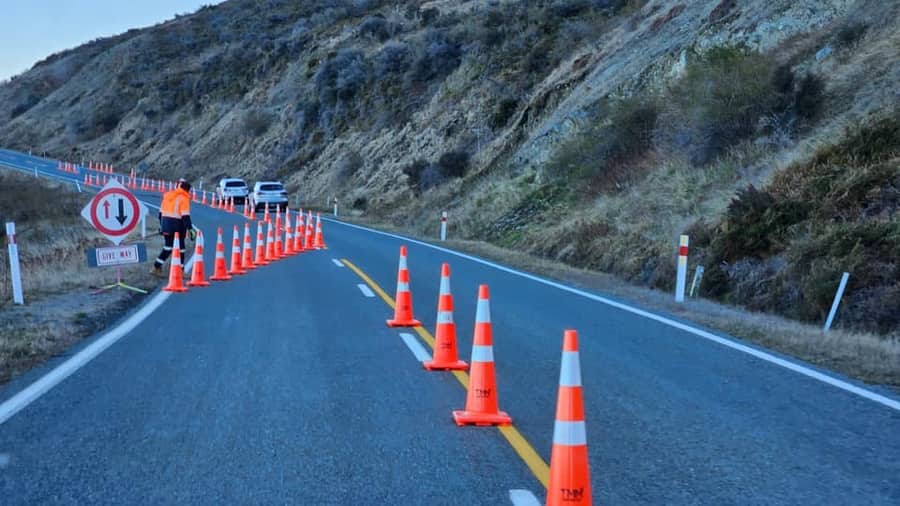
NZGTTM is New Zealand's risk-based guide for temporary traffic management. It encourages planning controls around the actual work, people, road environment and risk instead of relying only on fixed template thinking.
Plain-English explanation
The key points, split into simple blocks so the page is useful without feeling like a wall of text.
01
Risk-based thinking
Risk-based planning starts with the actual exposure: traffic speed, work duration, pedestrians, cyclists, access, visibility, staging and how close workers are to live traffic. Controls are then chosen because they fit that exposure, not because they appear on a generic diagram.
02
What contractors own
Contractors usually own the accuracy of the work method, dates, staging, plant movements and site constraints. Those facts need to be clear before the TMP can be useful. The TMP designer translates those facts into traffic management language and drawings.
03
What reviewers look for
Reviewers need to understand the proposed activity, the road environment, the people affected and why the controls are suitable for that exact worksite. A TMP that explains the reasoning behind the controls usually receives fewer RFIs than one that simply lists them.
Contractor checklist
Before you request help
Confirm the work location and RCA
Describe the work method and staging
Collect plans, photos and dates
Check pedestrian, cyclist and property access impacts
The relevant council, RCA or network owner reviews the submission. Our role is to help make the information clearer, more complete and easier to respond to.
What do you need before starting?
Send the work location, scope, dates, site plans or markups, methodology, hours of work, access needs, photos if available, and any RCA comments already received.
Can you work with our on-road crew or traffic management provider?
Yes. Your TMP Designer focuses on the planning, documentation and drawing support around the job. If your project also needs on-road setup, equipment or training, we can keep the TMP, CAR/WAP and drawing information aligned while those field services are arranged with the right provider.
From scope to submission
Send the scope. We will tell you what is needed.
Send plans, photos, dates or RCA comments and get practical next steps for TMP design, CAR support, amendments or overflow planning.