
TMP Knowledge Hub NZ
Direct answers, checklists and plain-English traffic planning guidance designed for contractors and anyone trying to get corridor paperwork right the first time.
Start with the basics
- TMP vs CAR vs WAP
- RCA review issues
- Checklists and plain-English guides
- Documentation tips for contractors
The fastest way to get up to speed
Traffic management in NZ
Start with the wider picture before narrowing into TMP, CAR and WAP.
Read guideWhat is a TMP?
Start with the basics if corridor paperwork is new to you.
Read guideTMP vs CAR vs WAP
Understand how the three documents fit together.
Read guideContractor checklist
Collect the right details before requesting support.
Read guideTMP, CAR and WAP fundamentals
Straight answers to the questions contractors ask most often before requesting support.
Traffic management in New Zealand
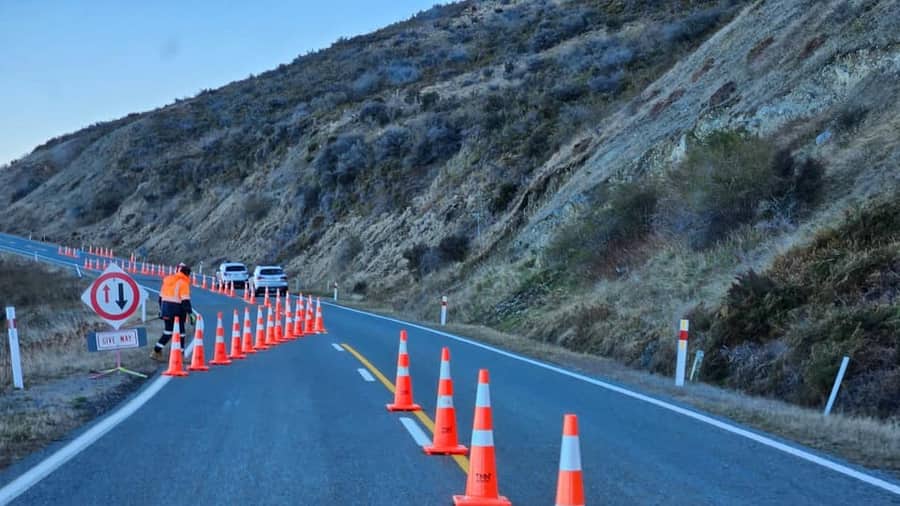
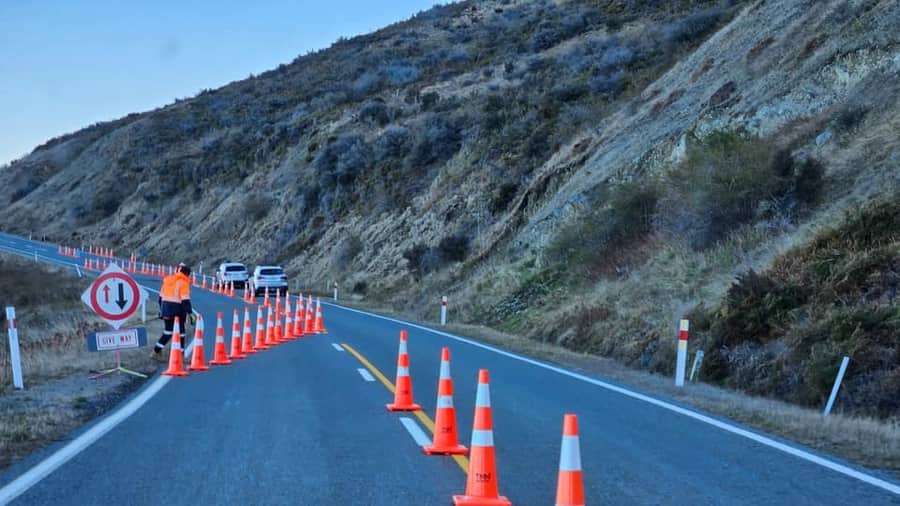
Traffic management in New Zealand is the planning, documentation and on-road coordination used to keep workers, drivers, pedestrians, cyclists and property access moving safely when work or events affect the road corridor.
What is a TMP in New Zealand?
A TMP is a site-specific Traffic Management Plan that explains how temporary traffic management will be designed, installed, maintained and removed while work or an event affects a road corridor.
What is a CAR application?
A Corridor Access Request is the application pathway used when work affects the road corridor. It usually needs clear location, date, method, TMP and contact information before a WAP is issued.
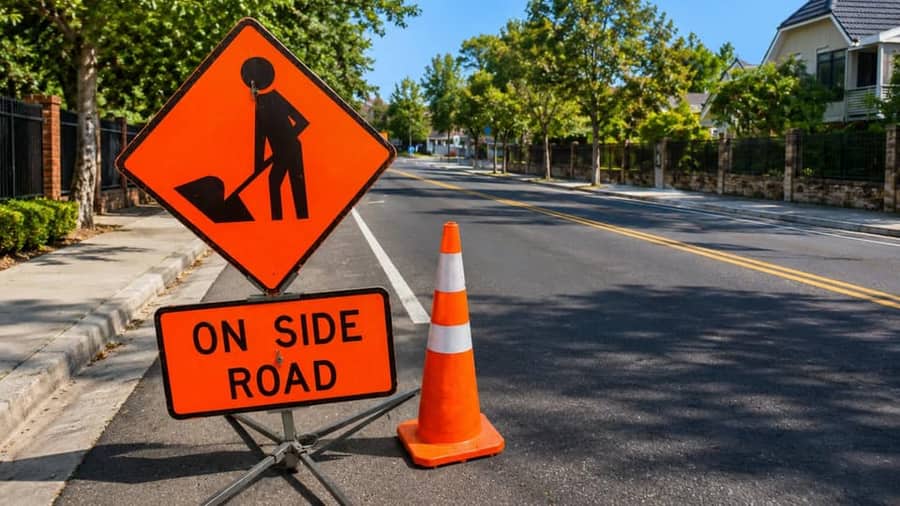
TMP vs CAR vs WAP
A TMP explains traffic management, a CAR requests access to the corridor, and a WAP is the permit or approval pathway issued by the relevant authority when conditions are met.
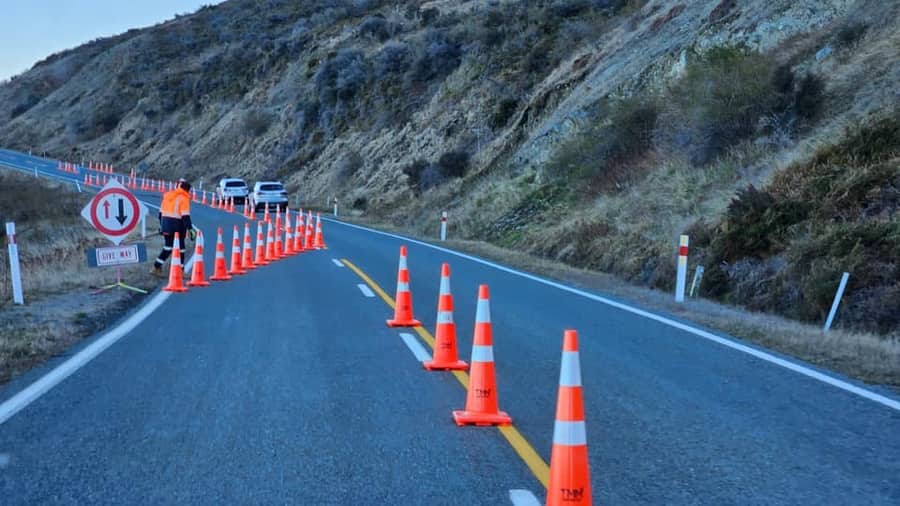
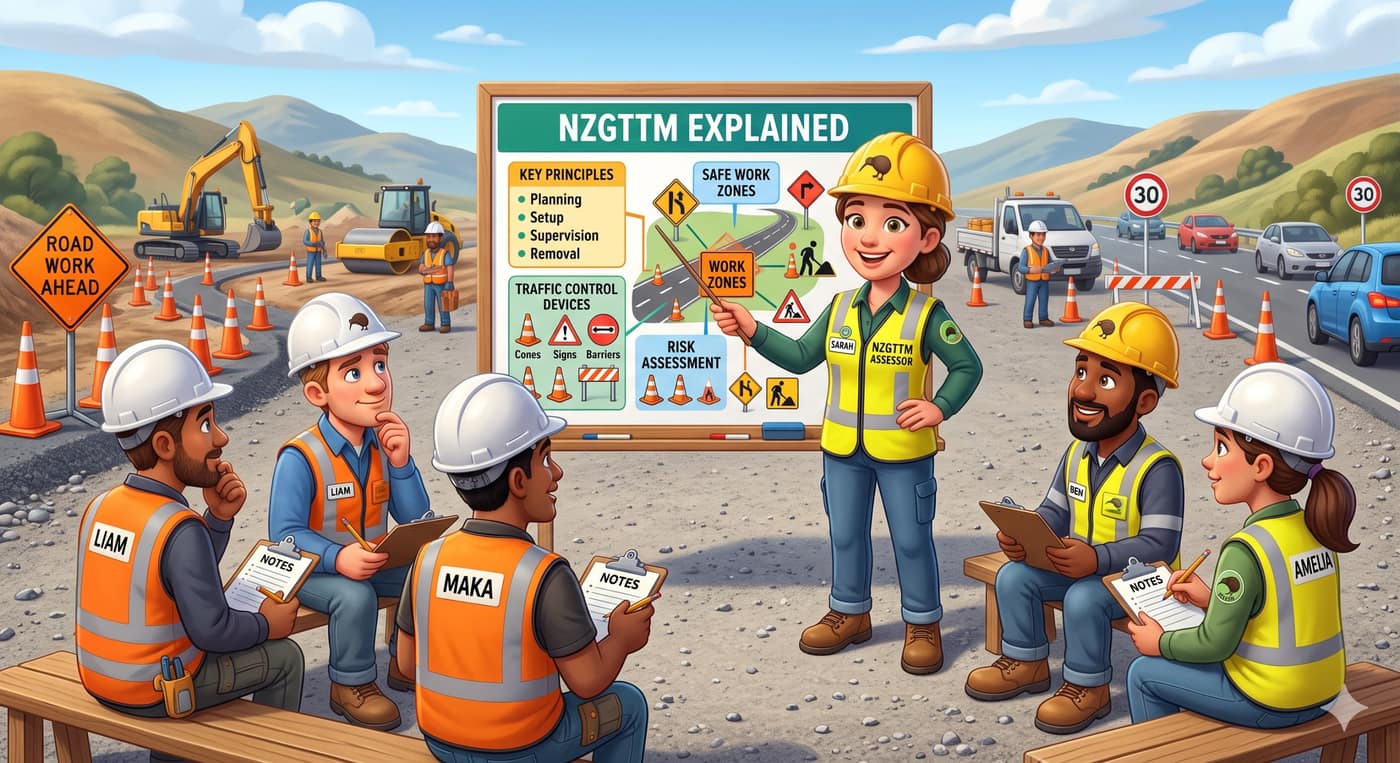
NZGTTM explained for contractors
NZGTTM is New Zealand's risk-based guide for temporary traffic management. It encourages planning controls around the actual work, people, road environment and risk instead of relying only on fixed template thinking.
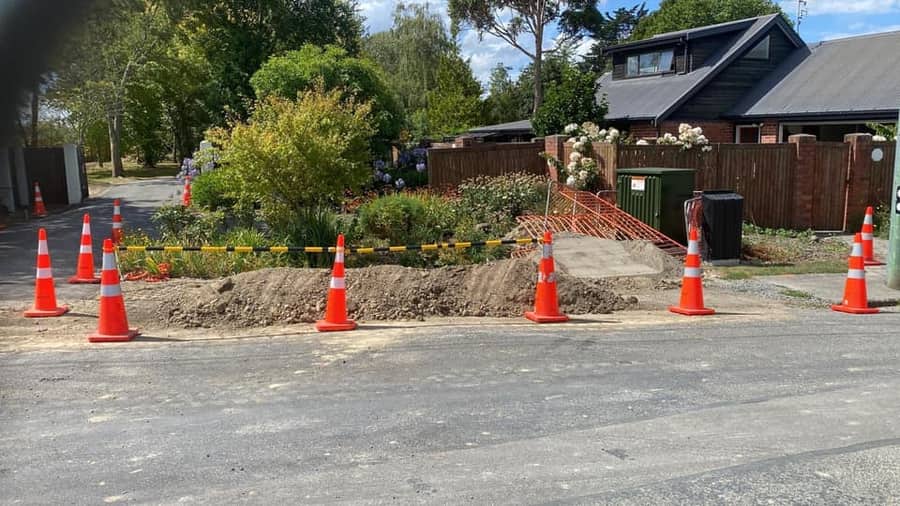
What information is needed for a TMP?
A good TMP brief includes location, dates, work method, staging, site drawings, road-user impacts, pedestrian routes, plant movements, hours, photos and known RCA or council requirements.
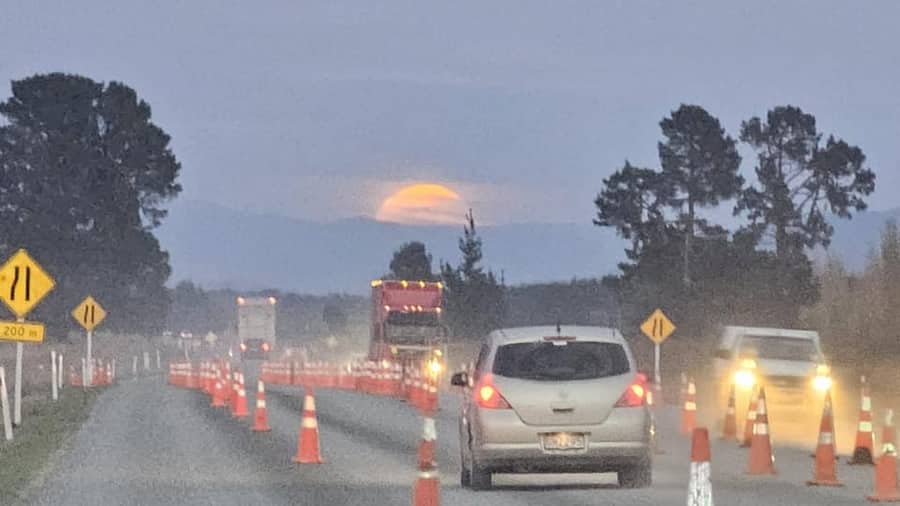
How long does TMP approval or review take?
Review time depends on the RCA, road environment, complexity, completeness of the submission and urgency. Contractors should avoid promising start dates until the relevant authority has completed its review.
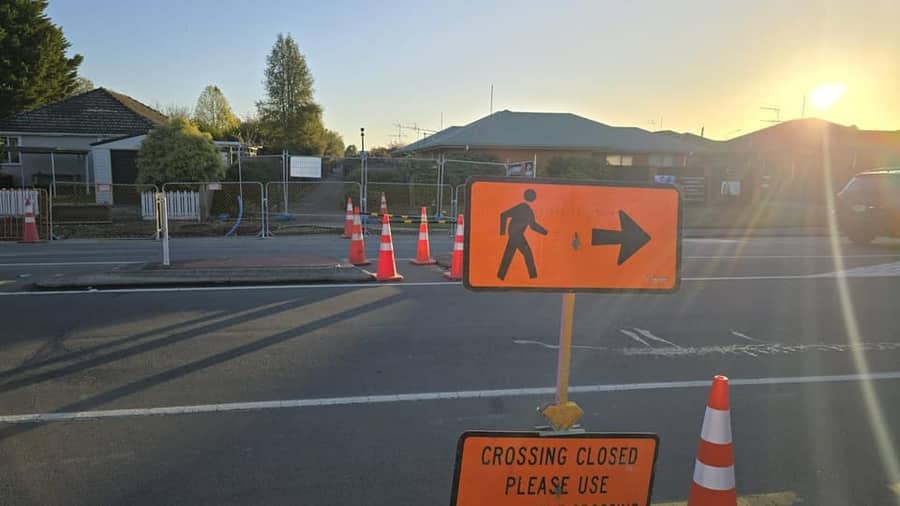
Why councils issue RFIs on TMPs
RFIs usually happen when the reviewer cannot see how the TMP matches the work, site, dates, pedestrian effects, access needs, methodology or risk controls.
Work type guides
Practical guidance for crossings, closures, footpaths, shoulders, stop/go and event traffic management.
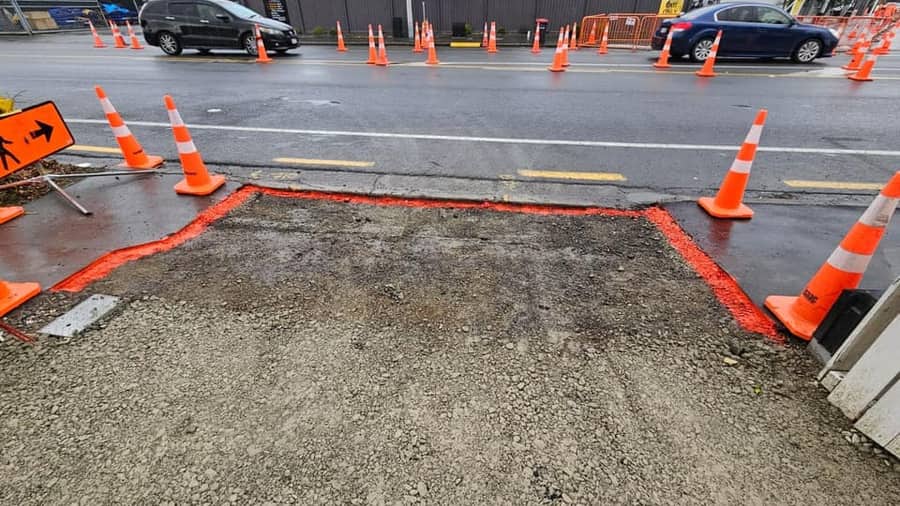
Vehicle crossing TMP guide
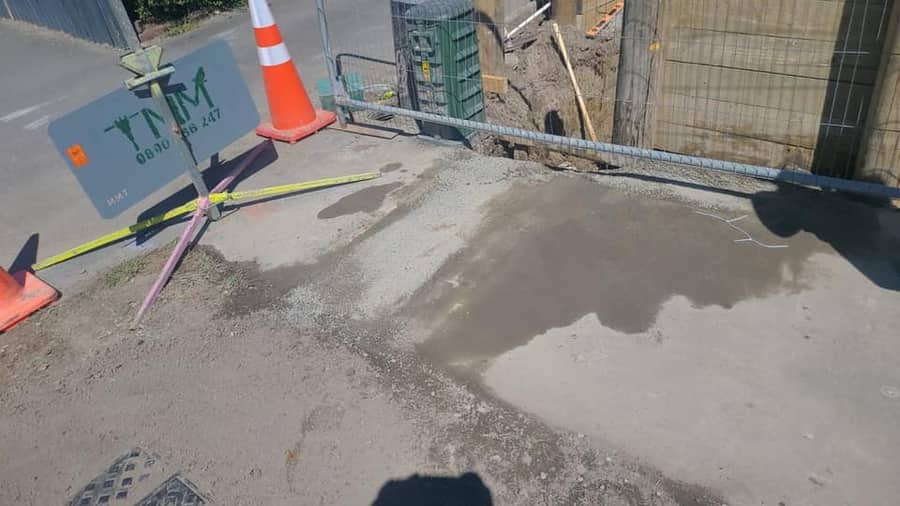
Vehicle crossing TMPs need clear frontage, footpath, pedestrian, driveway, concrete pour, access and CAR information so the authority can understand the temporary impact.
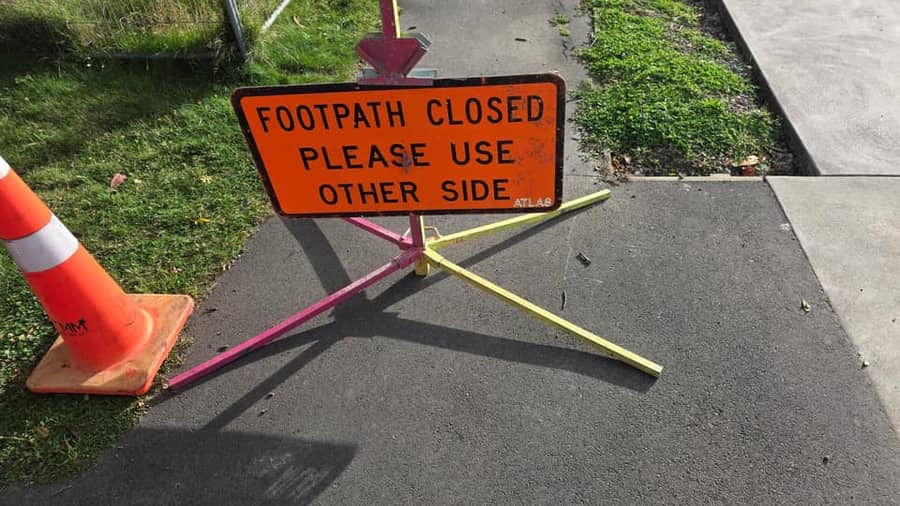
Footpath closure TMP guide
A footpath closure TMP should show how pedestrians, mobility users and nearby accesses are managed safely while the work affects the normal walking route.
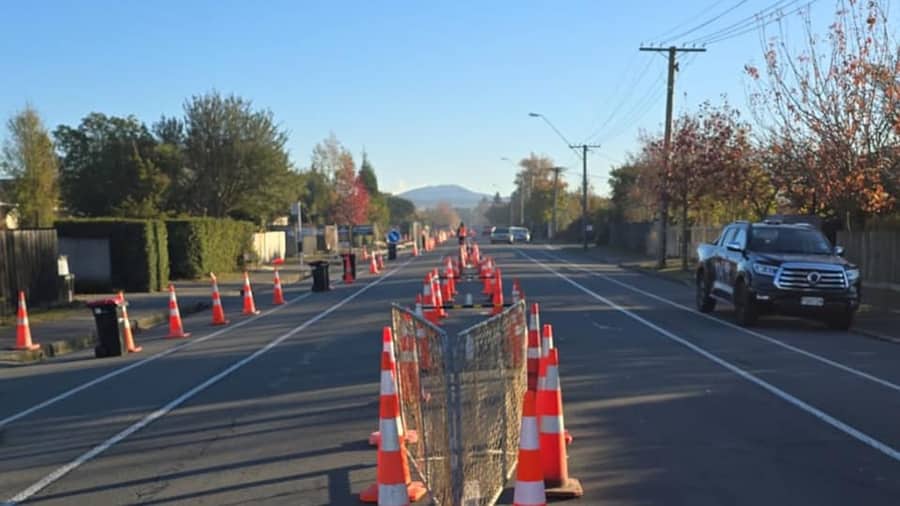
Stop/Go TMP guide
A stop/go TMP explains alternating traffic flow, work area, visibility, queue management, road-user delay, manual control positions and pedestrian or side-road effects.
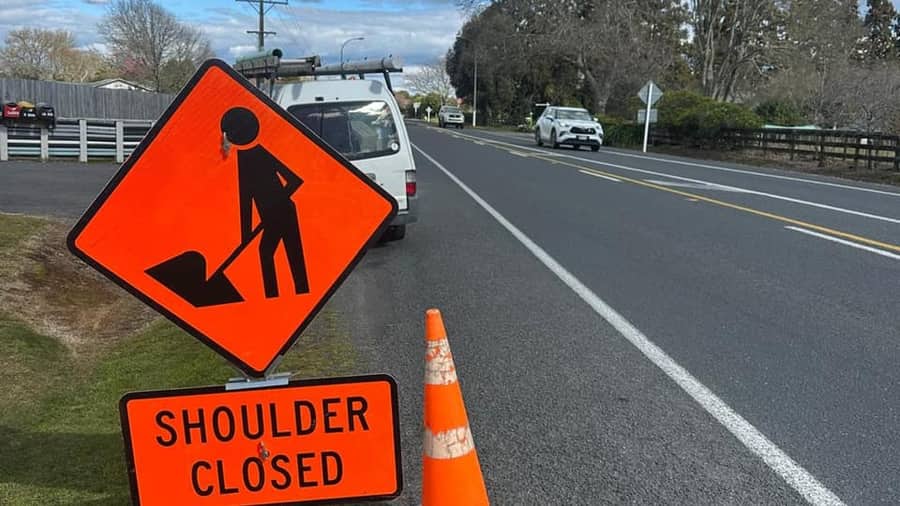
Shoulder closure TMP guide
A shoulder closure TMP should define the shoulder work area, work vehicle access, live-lane clearance, warning layout, pedestrian or cyclist effects and risk controls.
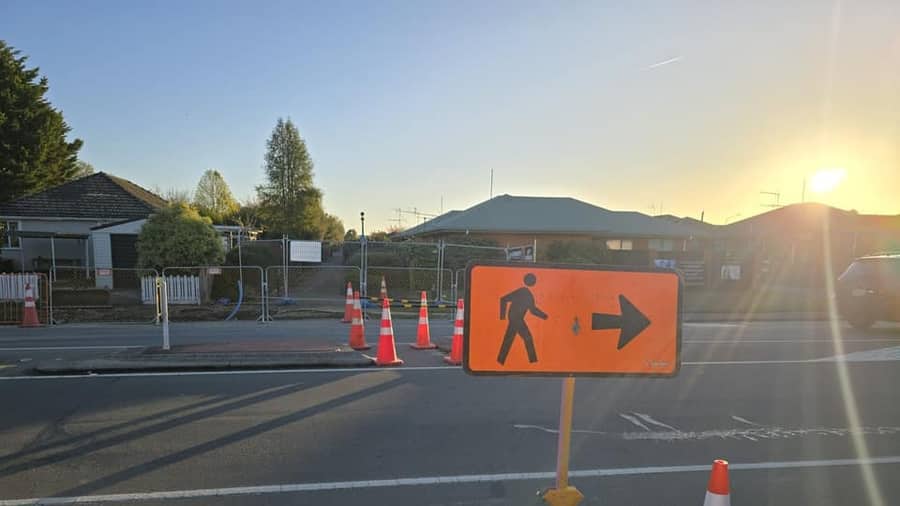
Road closure TMP guide
A road closure TMP needs closure extents, detour logic, emergency access, affected properties, stakeholder considerations, reopening process and clear timing.
Event traffic management planning guide
Event traffic planning should start early because closures, pedestrians, parking, emergency access, resident impacts and RCA timelines often need more detail than organisers expect.
Cost, review and quality
Checklists and guidance to reduce RFIs, avoid common mistakes and submit stronger first drafts.
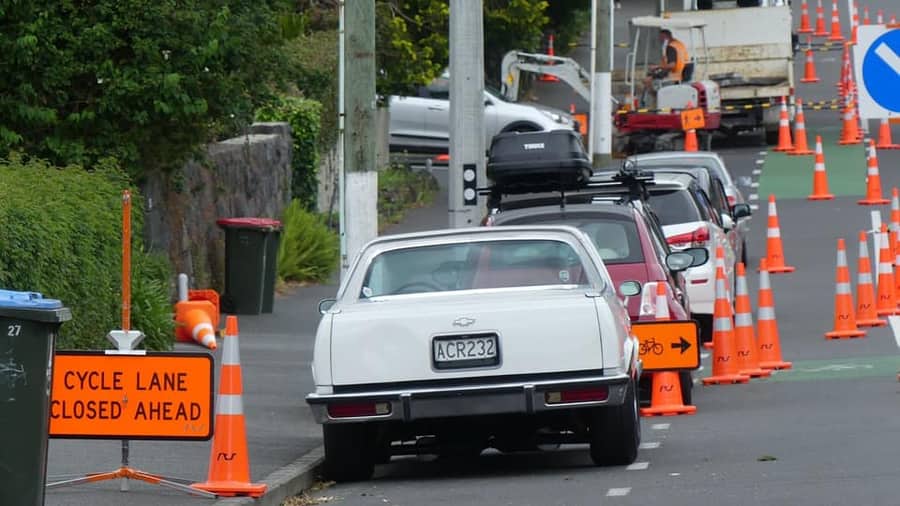
TMP design cost guide NZ
TMP design cost is scope-dependent. Simple frontage works may be lower cost, while staged civil works, closures, state highways, events and amendment-heavy submissions need more design time.
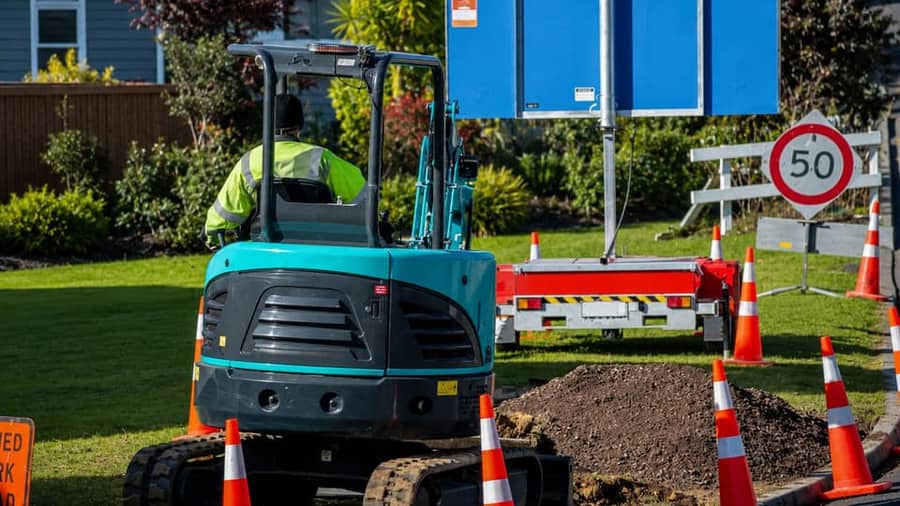
Contractor checklist before requesting a TMP
Before requesting a TMP, collect the scope, location, dates, hours, photos, marked-up plan, work method, plant movements, access needs and any RCA comments.
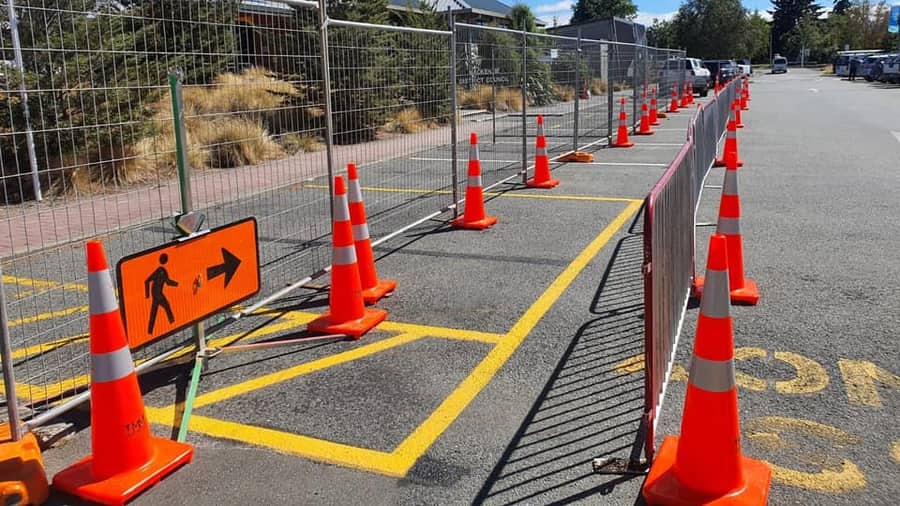
Council submission checklist
A stronger council submission aligns the TMP, CAR, WAP details, dates, scope, road impacts, work method, drawings and contact information before review.
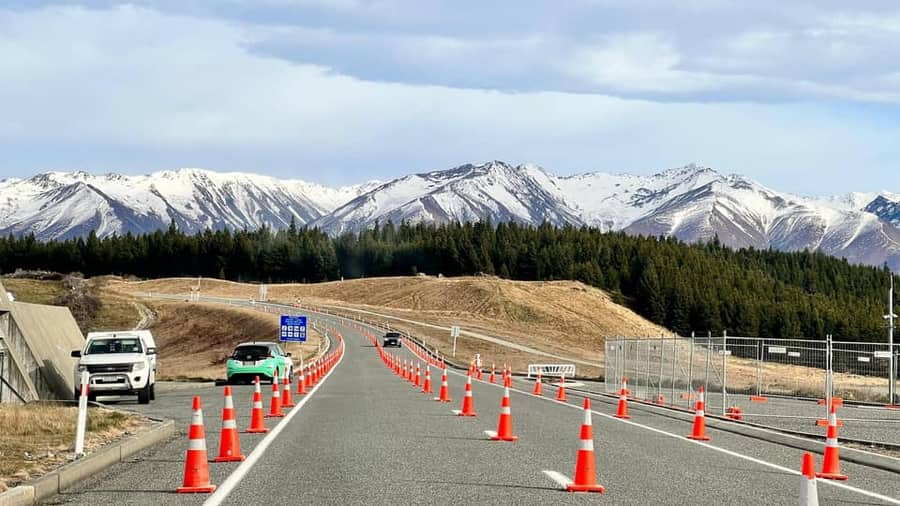
Risk-based TMP checklist
A risk-based TMP should connect the work activity, road environment, road users, exposure, timing, access, staging and selected controls in plain language.
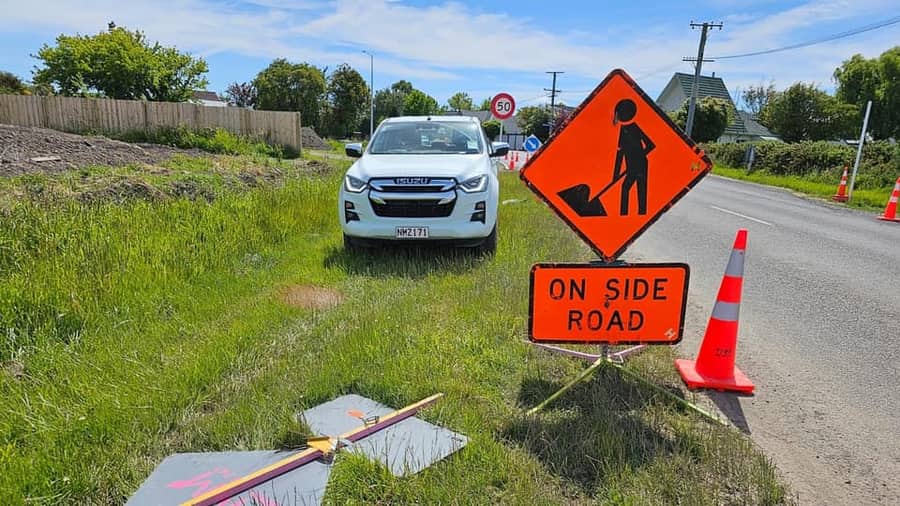
Common TMP mistakes
Common TMP mistakes include vague work descriptions, copied controls, missing pedestrian routes, date mismatches, unclear drawings, no access plan and incomplete responses to RCA comments.
Reference
A plain-English glossary of common TMP, TTM, CAR, WAP, RCA and NZGTTM terms.

A complete first message saves days of back-and-forth
The checklist pages are designed to help you collect location, dates, work method, access impacts and authority comments before you request a quote.
Useful checklists before you email the job
Send the scope. We will tell you what is needed.
Send plans, photos, dates or RCA comments and get practical next steps for TMP design, CAR support, amendments or overflow planning.