Shoulder risk factors
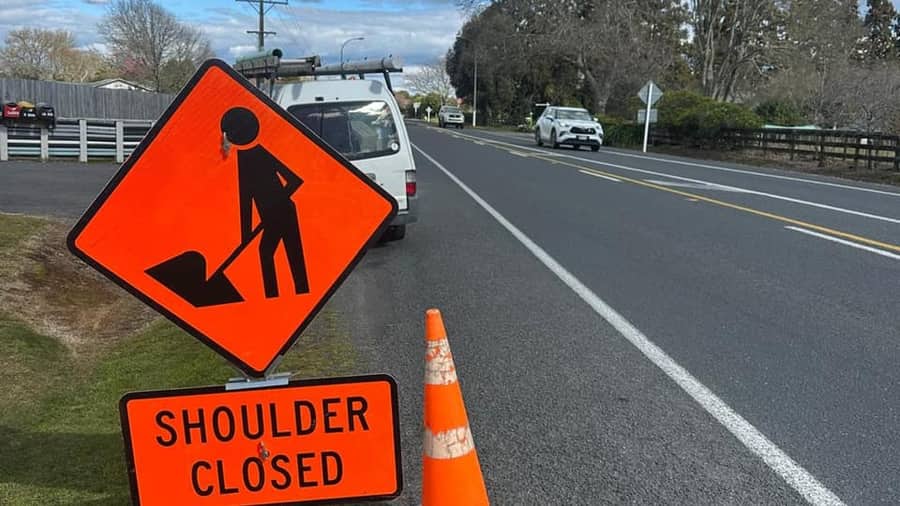
Shoulder work happens beside live traffic. Speed, heavy vehicles, narrow shoulders, drop-offs, cyclists and weather all affect risk. The TMP should explain how workers and plant are separated from live traffic.
 Your TMPDesigner
A shoulder closure TMP should define the shoulder work area, work vehicle access, live-lane clearance, warning layout, pedestrian or cyclist effects and risk controls.
The key points, split into simple blocks so the page is useful without feeling like a wall of text.
Shoulder work happens beside live traffic. Speed, heavy vehicles, narrow shoulders, drop-offs, cyclists and weather all affect risk. The TMP should explain how workers and plant are separated from live traffic.
Work vehicles need safe places to enter and exit the shoulder. The TMP should show where plant parks, how it gets on and off the shoulder, and what protection is in place while that happens.
On high-speed roads, shoulder closures often need greater advance warning, longer tapers and more robust separation. Do not assume a low-speed urban layout will work on a rural arterial or state highway.
The relevant council, RCA or network owner reviews the submission. Our role is to help make the information clearer, more complete and easier to respond to.
Send the work location, scope, dates, site plans or markups, methodology, hours of work, access needs, photos if available, and any RCA comments already received.
Yes. Your TMP Designer focuses on the planning, documentation and drawing support around the job. If your project also needs on-road setup, equipment or training, we can keep the TMP, CAR/WAP and drawing information aligned while those field services are arranged with the right provider.
Send plans, photos, dates or RCA comments and get practical next steps for TMP design, CAR support, amendments or overflow planning.