Risk inputs
Document the work activity, road environment, speed, traffic volumes, vulnerable road users, exposure duration, access needs, weather, lighting and site constraints. These inputs drive control selection.
 Your TMPDesigner
A risk-based TMP should connect the work activity, road environment, road users, exposure, timing, access, staging and selected controls in plain language.
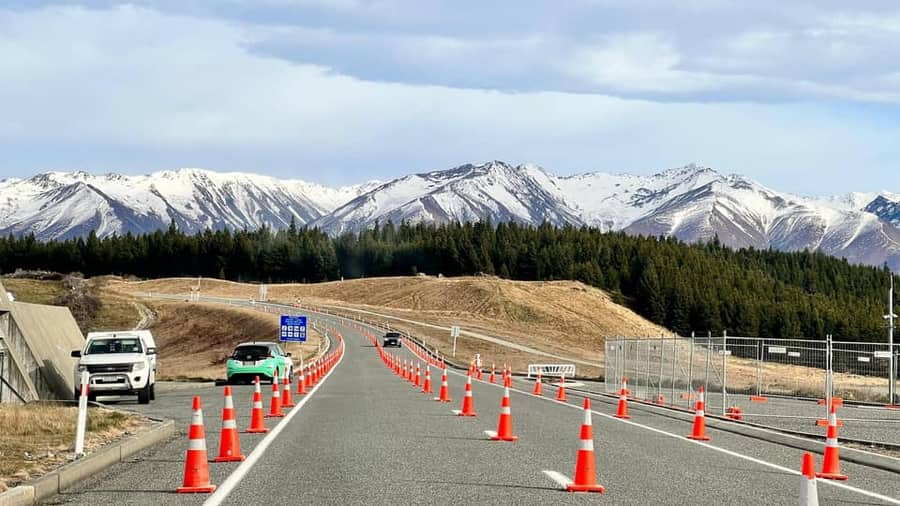
The key points, split into simple blocks so the page is useful without feeling like a wall of text.
Document the work activity, road environment, speed, traffic volumes, vulnerable road users, exposure duration, access needs, weather, lighting and site constraints. These inputs drive control selection.
For each control, explain what risk it addresses and why it is suitable for the site. Controls that are copied without explanation invite RFIs and may not protect workers adequately.
Ask whether the TMP would make sense to someone who has not visited the site. If the reasoning is not obvious from the document, add a plain-language note.
The relevant council, RCA or network owner reviews the submission. Our role is to help make the information clearer, more complete and easier to respond to.
Send the work location, scope, dates, site plans or markups, methodology, hours of work, access needs, photos if available, and any RCA comments already received.
Yes. Your TMP Designer focuses on the planning, documentation and drawing support around the job. If your project also needs on-road setup, equipment or training, we can keep the TMP, CAR/WAP and drawing information aligned while those field services are arranged with the right provider.
Send plans, photos, dates or RCA comments and get practical next steps for TMP design, CAR support, amendments or overflow planning.