When stop/go may fit
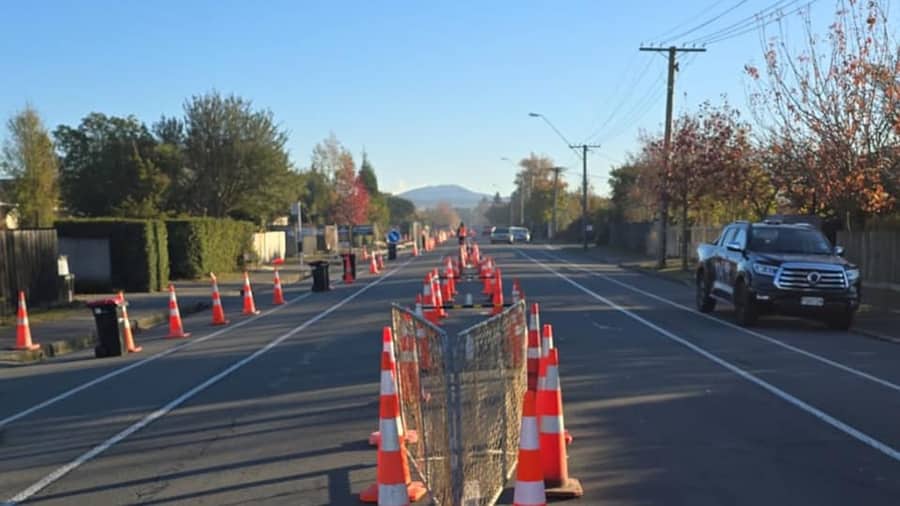
Stop/go may suit short work fronts on low-speed roads where one lane can be alternated and queues are manageable. It is less suitable for high-speed, high-volume or long-workfront sites where signals or closures may be safer.
 Your TMPDesigner
A stop/go TMP explains alternating traffic flow, work area, visibility, queue management, road-user delay, manual control positions and pedestrian or side-road effects.
The key points, split into simple blocks so the page is useful without feeling like a wall of text.
Stop/go may suit short work fronts on low-speed roads where one lane can be alternated and queues are manageable. It is less suitable for high-speed, high-volume or long-workfront sites where signals or closures may be safer.
Estimate queue lengths from expected traffic volumes, work duration and any nearby intersections. If queues could block side roads or accesses, the TMP should say how that will be managed or why a different control is needed.
Stop/go operators need clear sight lines to each other and to approaching traffic. The TMP should note any sight-distance constraints, curves, crests, parked vehicles or lighting issues that affect visibility.
The relevant council, RCA or network owner reviews the submission. Our role is to help make the information clearer, more complete and easier to respond to.
Send the work location, scope, dates, site plans or markups, methodology, hours of work, access needs, photos if available, and any RCA comments already received.
Yes. Your TMP Designer focuses on the planning, documentation and drawing support around the job. If your project also needs on-road setup, equipment or training, we can keep the TMP, CAR/WAP and drawing information aligned while those field services are arranged with the right provider.
Send plans, photos, dates or RCA comments and get practical next steps for TMP design, CAR support, amendments or overflow planning.