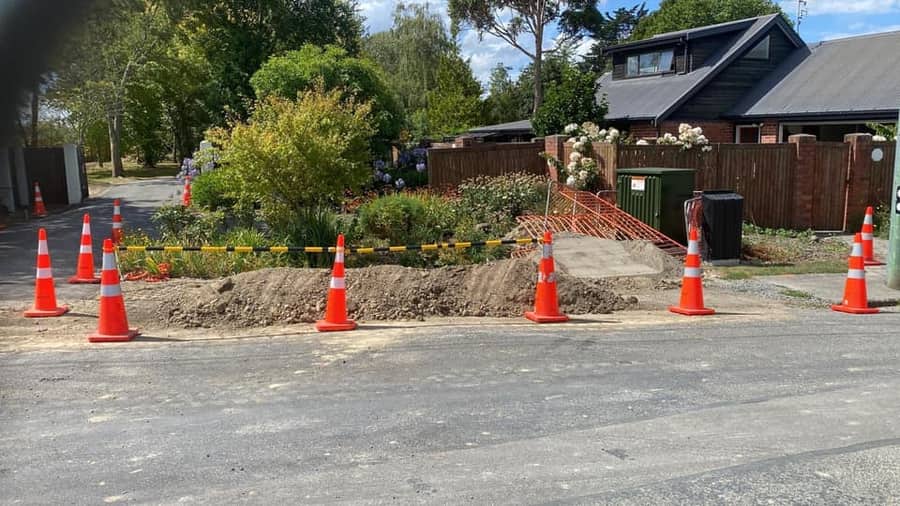
A good TMP brief includes location, dates, work method, staging, site drawings, road-user impacts, pedestrian routes, plant movements, hours, photos and known RCA or council requirements.
Plain-English explanation
The key points, split into simple blocks so the page is useful without feeling like a wall of text.
01
Minimum briefing set
The minimum useful brief is location, scope, dates, hours, work method, staging, plans or sketches, site photos and known access or pedestrian impacts. Without these, the TMP designer has to make assumptions that may not match the site.
02
Nice-to-have evidence
Good photos, marked-up plans, previous comments, CAR references and programme notes can save a lot of back-and-forth because they answer obvious review questions upfront. A photo of the work frontage is often worth more than a long description.
03
How to avoid rework
Avoid rework by sending the real constraints early, not after the first review. Missing dates, vague staging and unclear pedestrian routes are common avoidable problems. If something is unknown, say it is unknown rather than guessing.
Contractor checklist
Before you request help
Confirm the work location and RCA
Describe the work method and staging
Collect plans, photos and dates
Check pedestrian, cyclist and property access impacts
The relevant council, RCA or network owner reviews the submission. Our role is to help make the information clearer, more complete and easier to respond to.
What do you need before starting?
Send the work location, scope, dates, site plans or markups, methodology, hours of work, access needs, photos if available, and any RCA comments already received.
Can you work with our on-road crew or traffic management provider?
Yes. Your TMP Designer focuses on the planning, documentation and drawing support around the job. If your project also needs on-road setup, equipment or training, we can keep the TMP, CAR/WAP and drawing information aligned while those field services are arranged with the right provider.
From scope to submission
Send the scope. We will tell you what is needed.
Send plans, photos, dates or RCA comments and get practical next steps for TMP design, CAR support, amendments or overflow planning.